
If a horse is sound shod but not barefoot, is it really sound?
This is something of great debate in the equestrian world. In my personal opinion if a horse is not sound barefoot but is shod then it isn’t really sound. Shoes can mask issues and its not until that issue becomes major that we become aware of it and it becomes more difficult to fix.
The barefoot movement has gained some ground since the last Olympics with Peter Fredricson showing that it is possible to compete horses at the top level barefoot. On interviews he has stated that he has fewer issues with lameness, less injuries to hooves, lower limbs and not a single hoof abscess.
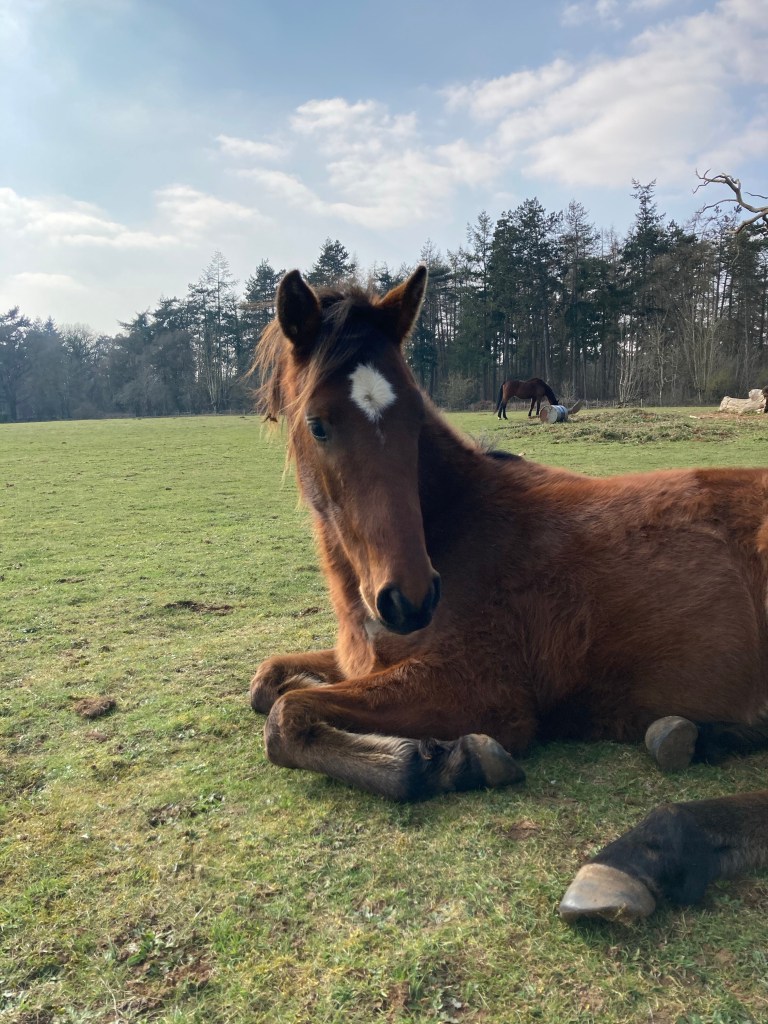
Despite being a animal chiropractor and bodyworker the hooves are still an important part of my assessment as they can influence other structures. The saying ‘no hoof no horse’ is still very much pertinent in all equestrian practices. There is research being carried out on the affects of barefoot and shoeing practices on movement biomechanics and foot morphology. It is currently thought that shoes inhibit the lateral expansion and contraction of the hoof, which in turn affects blood supply. The frog also isn’t used in its shock absorbing capacity as it doesn’t make contact with the ground as a barefoot hoof does. In theory this could then affect loading and impact to other joints in the legs.
Heel contraction is more common in shod horses which suggests a potential altered pattern of loading. Barefoot horses are generally more cautious with foot placement due to increased level of proprioception which in turn potentially reduces the risk of injury.
Research is ongoing and a lot more does need to be conducted but it is positive towards barefoot as being better for your horses. However taking a horse barefoot can be very time consuming with set backs and is ongoing. The way many horses are managed actually hinders an owners ability to take them barefoot and this is often out of owners hands. Diet is very important when taking a horse barefoot and should be looked at before shoes are taken off. Starch and sugar below 10% is usually required, which can be difficult for a competition horse. This also includes hay and pasture.
Often horses find gravely, stoney and hard uneven tracks difficult to walk on. Its much like us walking on stones with no shoes on. They need time to adjust and get used to it. Taking a horse barefoot at the end of the summer or beginning of autumn can be beneficial as the ground is soft and there shouldn’t be any frosts making the ground hard.
Having a good farrier or trimmer is also very important to keep the hooves balanced. Hoof boots are also good to have in the tool kit to help the horse during transition or when hacking on varied terrain. There are so many different brands now that finding the right fit shouldn’t be to difficult.
Barefoot does appear to have many benefits and hopefully more research will support this, however current management styles and time makes transitioning and keeping horses barefoot quite difficult for some owners which a huge limiting factor for most.
 Pollyanna FitzGerald (Msc³, Bsc² (Hons), EBW, MMAA, MRAMP)