It can be quite confusing for owners to know what therapist is best for their horse. Quite often people ask for a recommendation for a veterinary physiotherapists and get inundated with recommendations for massage therapists or even chiropractors. Quite often owners don’t realise what qualifications their equine therapists have. It is perfectly alright for owners to ask their therapists what they are qualified in and if this information is not forthcoming or easy to find then potentially you might want to look for someone else with the skill set you require.
Below is a brief description of different types of therapists that are available to owners
Animal Chiropractor
- Often refered to as a back specialist. Animal chiropractors focus on the alignment of the spine and pelvis
- They use gentle and quick non invasive movements to manipulate the joint to improve range of movement and reduce pain
- Some animal chiropractors may also have soft tissue qualifications
- Chiropractic can support recovery from injury as well as general maintenance
- The majority of UK based animal chiropractors are McTimoney trained which doesn’t involve any cracking of the joints that might be experienced in other styles
- Degree level qualification (Msc)
- Generally registered with RAMP, MAA or AHPR
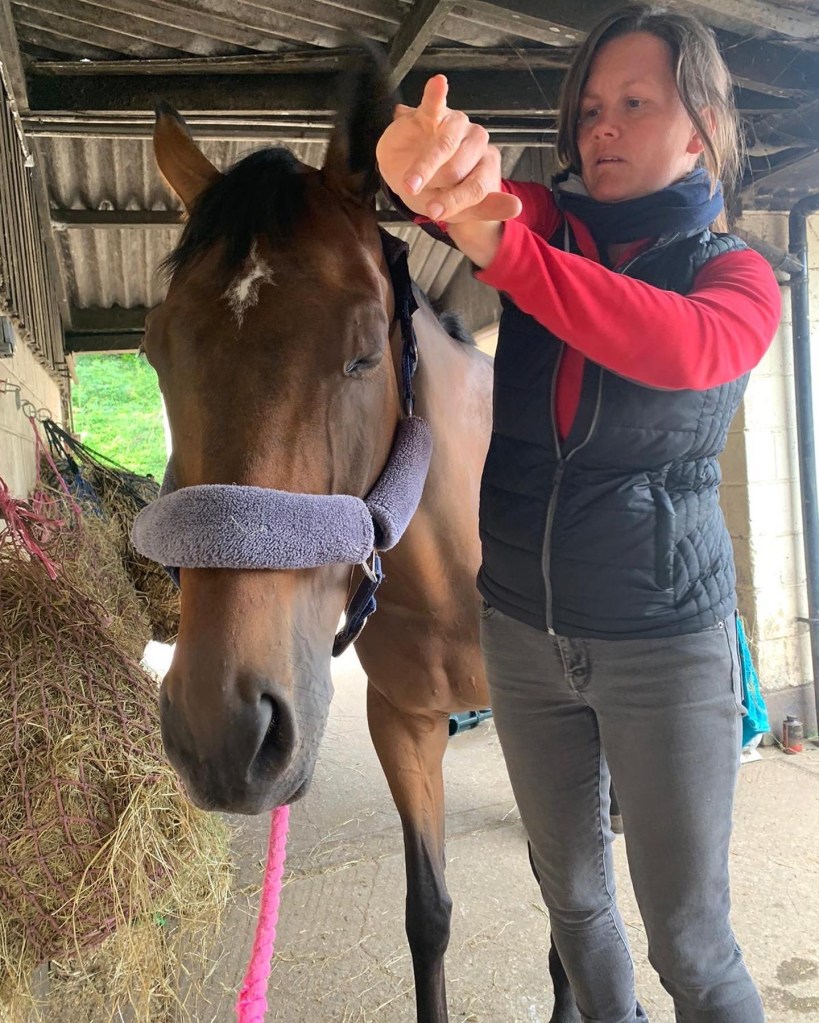
Veterinary Physiotherapists
- Use soft tissue techniques, electro therapy and exercises to treat the musculoskeletal system
- Often used for rehabilitation after surgery or recovery from an injury but can also be used for maintenance
- Degree level qualification (Bsc/Msc), may also be human qualified
- May be registered with the following RAMP, ACPAT, IRVAP, CSP
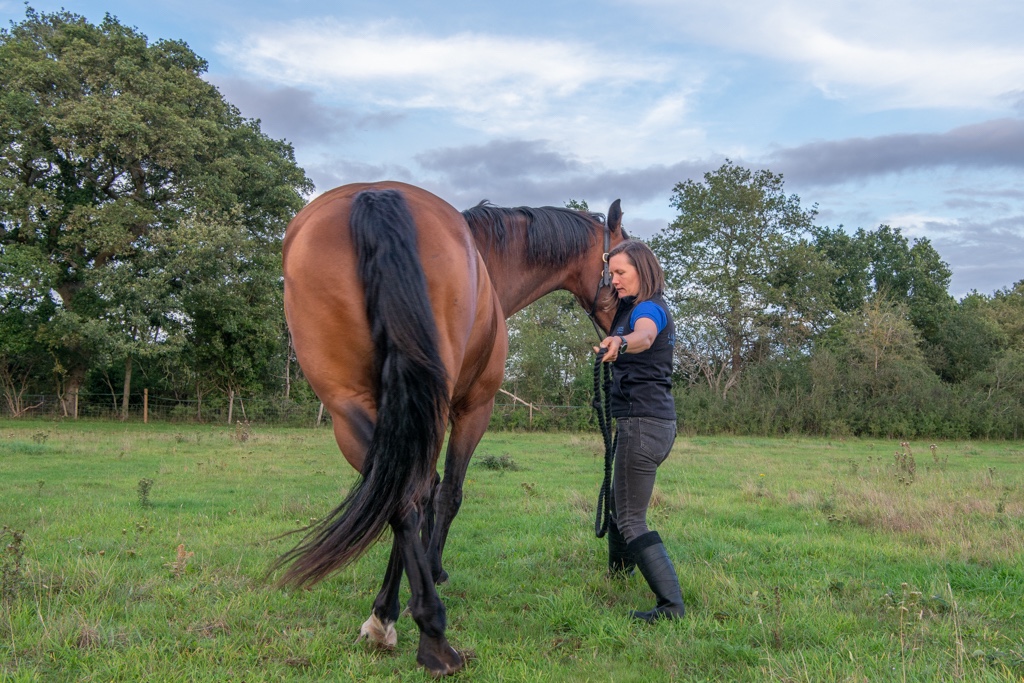
Equine sport massage/bodyworker
- Use soft tissue techniques such as massage to help relive tension in the muscles
- Can be part of the support plan when recovering from an injury and general maintenance
- May have additional qualifications such as acupressure, k-tape or red light therapy
- Qualification level can be varied and some courses are more robust than others. Looking at the number of hours and whether there are case studies to complete is a good indication of the level and quality of the qualification.
- Possibly registered with ICAT, IAAT, ESMA, IEBWA
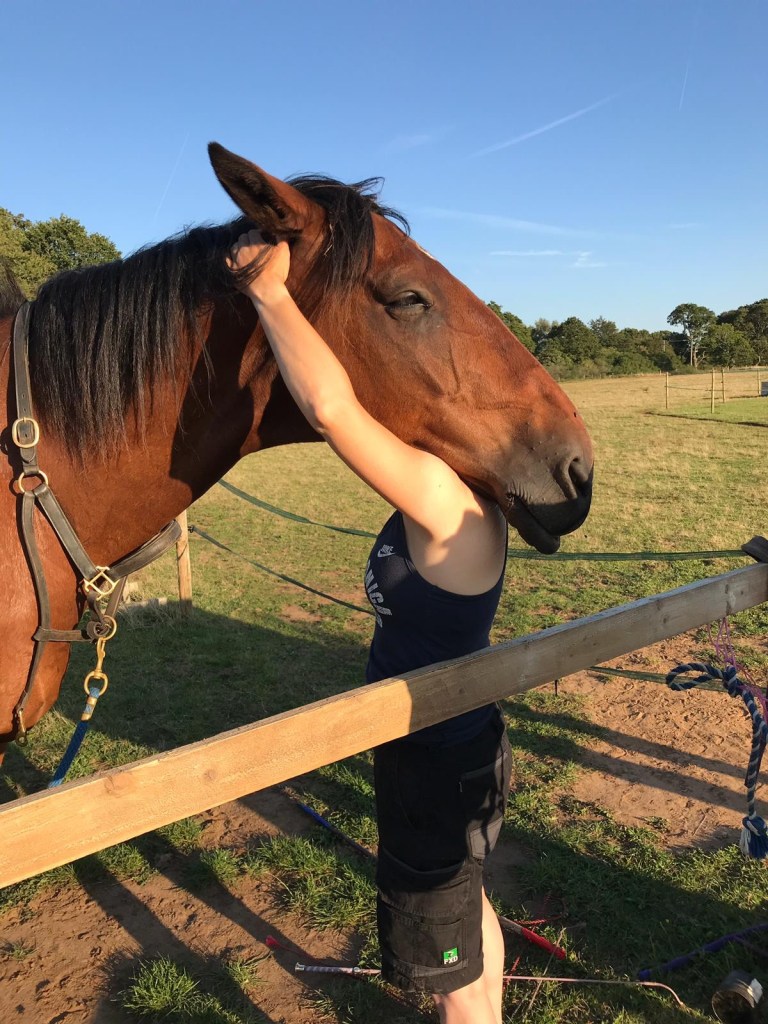
Irrelevant of what type of therapist you have for your horse make sure they are qualified to the correct standard and hold insurance. No therapist should be diagnosing and this can only be done by a veterinarian. If your horse is lame and this has been undiagnosed then it must be seen by a veterinarian before treatment can commence. An initial treatment by a therapists should also only happen with veterinary consent. Treatments after this do not require consent unless there is a change in the horses health.
The above outlines a few different types of therapist that are available for owners to use. The questions you need to ask yourself, is what needs treating and is the therapist qualified to a high standard to be performing this type of treatment.
If you do have any questions please comment or drop me a message and I will try and answer your questions as best I can.
 Pollyanna FitzGerald (Msc³, Bsc² (Hons), EBW, MMAA, MRAMP)